CAll (407)850-8866 to schedule your free estimate

Florida Pool Fence Safety Code: A Quick Guide for Homeowners
A swimming pool is a great addition to any Florida home, but it also comes with important safety responsibilities. Under Florida's Residential Swimming Pool Safety Act, most residential pools must have an approved safety barrier to help prevent accidental drownings. Whether you're installing a new pool, replacing a fence, or preparing to sell your home, understanding Florida's pool fence requirements is essential.
7/10/20261 min read
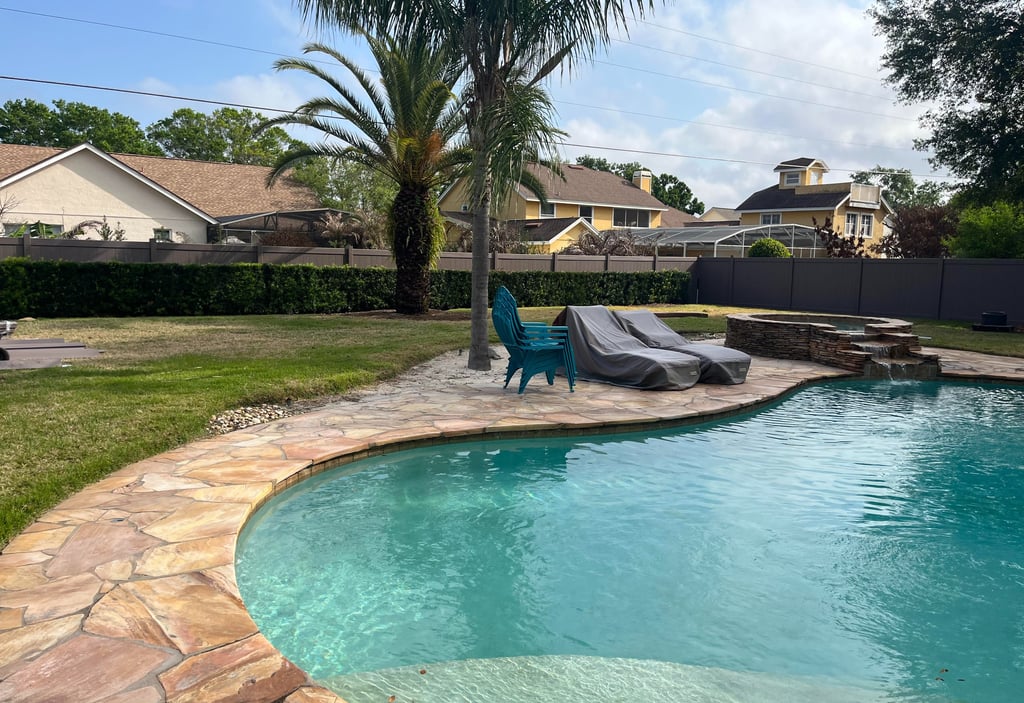
A swimming pool is a great addition to any Florida home, but it also comes with important safety responsibilities. Under Florida's Residential Swimming Pool Safety Act, most residential pools must have an approved safety barrier to help prevent accidental drownings.
Whether you're installing a new pool, replacing a fence, or preparing to sell your home, understanding Florida's pool fence requirements is essential.
Florida Pool Fence Requirements
Florida law requires a continuous barrier that restricts access to the pool. While alarms and safety covers may qualify as approved safety features, a pool fence is the most common and effective solution.
A non-compliant pool barrier can result in failed inspections, legal liability, and costly corrections.
Pool Fence Height and Spacing
To meet Florida code, your pool fence should:
Be at least 48 inches (4 feet) high, measured from the outside.
Have no more than a 2-inch gap beneath the fence.
Keep vertical picket spacing to 4 inches or less.
Use chain-link mesh openings no larger than 1.75 inches, unless fitted with approved slats.
Pool Gate Requirements
Every pool gate must include the following safety features:
Open away from the pool
Be self-closing
Be self-latching
Have the latch installed at least 54 inches above the ground
These features help prevent young children from entering the pool area unsupervised.
Permits and Inspections
Most Florida cities and counties require a permit before installing a pool fence
During the final inspection, officials typically check:
Fence height
Ground clearance
Gate operation
Self-closing and self-latching hardware
Overall code compliance
For new pools, the barrier must pass inspection before the pool can be used.
Common Pool Fence Code Violations
Avoid these common mistakes:
Measuring fence height from the wrong side
Leaving gaps larger than 2 inches under the fence
Placing furniture or equipment next to the fence that can be climbed
Installing gates that don't close and latch automatically
Using hardware that rusts or fails over time
Stay Safe and Code Compliant
A properly installed pool fence protects your family while helping you meet Florida safety regulations. Before installation, check your local building requirements or work with a qualified pool fence contractor to ensure your fence meets all applicable codes.