CAll (407)850-8866 to schedule your free estimate

Mixing Fence Materials: Why Vinyl on the Sides and Aluminum in the Back Is a Smart Choice
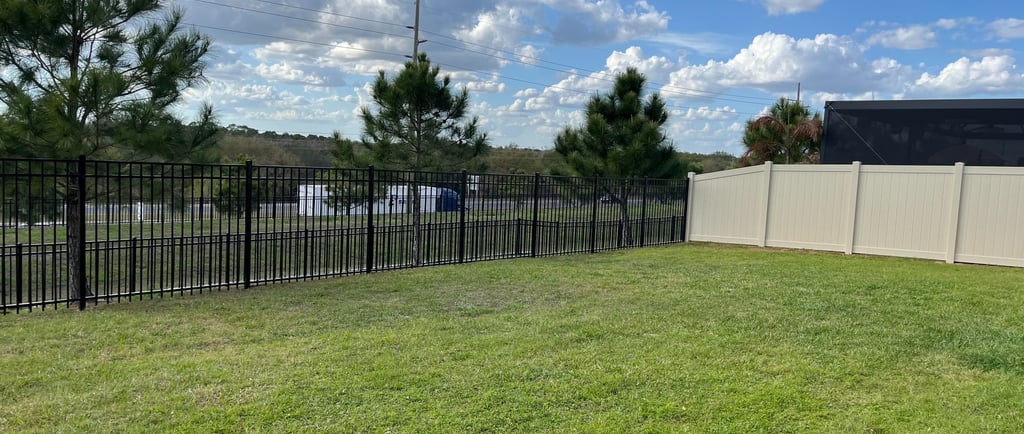
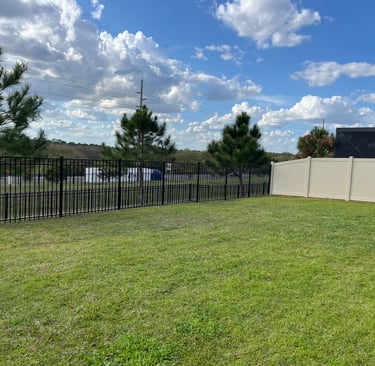
Choosing the right fence isn't always about using one material around your entire property. Many homeowners are discovering the benefits of combining different fence styles to maximize privacy, preserve scenic views, and stay within budget. One of the most popular combinations is installing vinyl fencing along the sides of the yard for privacy and aluminum fencing across the back to maintain an open view. This approach offers the best of both worlds—privacy where you need it and visibility where you want it.
7/10/20262 min read
Why Use Vinyl Fencing on the Sides?
The sides of your property are where privacy matters most. A vinyl privacy fence creates a solid barrier that blocks neighboring views, reduces noise, and defines your outdoor space.
Benefits of vinyl side fencing include:
Provides maximum privacy
Low maintenance with no painting or staining
Resistant to rot, insects, and moisture
Durable in harsh weather conditions
Available in a variety of colors and styles
Vinyl fencing also creates a clean, finished look that complements most home designs.
Why Choose Aluminum Fencing for the Back?
If your backyard overlooks a pond, golf course, wooded area, lake, or other scenic landscape, a solid privacy fence can block the very view you enjoy.
An aluminum fence provides security while keeping your backyard open and visually connected to the surrounding environment.
Advantages of aluminum fencing include:
Preserves beautiful views
Elegant, modern appearance
Strong and rust-resistant
Low maintenance
Allows airflow and natural light
Ideal around pools when installed to code
For homes with attractive rear views, aluminum fencing adds protection without making the yard feel enclosed.
The Best of Both Worlds
Combining vinyl and aluminum fencing allows homeowners to customize their property based on how each area is used.
This mixed-material approach offers:
Privacy between neighboring homes
Open views of natural landscapes
Improved curb appeal
Better use of your fencing budget
A unique, customized design
Instead of using one fence style everywhere, you can install each material where it performs best.
Design Tips for Mixing Fence Materials
A successful mixed-fence design looks intentional rather than pieced together.
Consider these tips:
Match fence heights where the materials meet.
Choose complementary colors, such as white vinyl with black aluminum or tan vinyl with bronze aluminum.
Use consistent gate hardware and post caps for a cohesive appearance.
Plan transition points carefully, typically at the rear corners of the home.
Work with a professional installer to ensure clean connections between materials.
When designed properly, the transition between vinyl and aluminum appears seamless.
Is This Combination Right for Your Home?
A vinyl-and-aluminum fence combination is ideal if your property:
Backs up to a lake, pond, preserve, or golf course
Has attractive backyard views you don't want to block
Shares side property lines with neighboring homes
Needs privacy without creating a closed-in feeling
Has a pool that requires a code-compliant barrier
Many homeowners also choose this layout because it offers an excellent balance between functionality and aesthetics.
Final Thoughts
Using vinyl fencing on the sides for privacy and aluminum fencing across the back for unobstructed views is a practical, attractive solution for many properties. It enhances outdoor living by creating private side boundaries while preserving the natural beauty beyond your backyard.
If you're planning a new fence, consider how each section of your property is used. Mixing materials allows you to enjoy greater privacy, better views, and a customized design that complements your home for years to come.